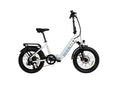
Definitions of E-Bikes and E-Scooters
E-Bike: An e-bike is a bicycle equipped with an electric motor to assist the rider. Under Australian law, e-bikes are classified into two main types:
-
Pedal-Assist (Pedelec): These have a maximum motor output of 250 watts and provide assistance only when the rider is pedaling. The assistance cuts out at speeds above 25 km/h.
-
Throttle-Controlled E-Bikes: These allow the motor to be engaged via a throttle. The maximum motor output is limited to 200 watts, and they must not exceed 25 km/h.
E-Scooter: An e-scooter is a two-wheeled device powered by an electric motor, typically operated while standing. E-scooters usually have handlebars, a deck, and a braking mechanism. Their maximum speed and motor power vary depending on local regulations.
State and Territory Laws
New South Wales (NSW)
https://www.transport.nsw.gov.au/roadsafety/bicycle-riders/ebikes
-
E-Bikes: Permitted on roads and shared paths if they meet the legal definitions outlined above. Pedelecs must comply with the European standard EN15194.
-
E-Scooters: As of 2024, e-scooters are allowed in specific trial zones. They must not exceed 10 km/h in pedestrian areas or 25 km/h elsewhere.
Victoria
https://transport.vic.gov.au>electric-and-motorised-bikes
-
E-Bikes: Both pedal-assist and throttle-controlled e-bikes are allowed, provided they meet the motor and speed limits.
-
E-Scooters: Legal under a trial program, with a maximum speed of 20 km/h and a motor power limit of 200 watts. They are permitted on shared paths and bike lanes.
Queensland
https://www.qld.gov.au/transport/safety/rules/wheeled-devices/bicycle
-
E-Bikes: Legal as per the national standards. Riders must wear helmets and adhere to road rules.
-
E-Scooters: Widely permitted. They can operate at speeds up to 25 km/h and must follow road rules, including helmet use and giving way to pedestrians.
South Australia
SA.GOV.AU - Riding a power-assisted bicycle
-
E-Bikes: Allowed if they meet the federal definition and standards.
-
E-Scooters: Restricted to specific council-approved trials or areas. Riders must follow set speed limits and safety requirements.
Western Australia (WA)
https://www.wa.gov.au/organisation/road-safety-commission/eRideables
-
E-Bikes: Fully legal under the national standards.
-
E-Scooters: Legal for devices with a motor output of up to 200 watts and a maximum speed of 10 km/h. Higher-powered models are restricted to trial areas.
Tasmania
https://www.transport.tas.gov.au/road_safety_and_rules/power_assisted_bicycles_ebikes
-
E-Bikes: Permitted under the national regulations.
-
E-Scooters: Allowed under a statewide trial, with similar conditions to other states—maximum speed of 25 km/h and adherence to road rules.
Australian Capital Territory (ACT)
Good luck
-
E-Bikes: Permitted under the same standards as other jurisdictions.
-
E-Scooters: Fully legal with a maximum speed limit of 25 km/h. Riders must wear helmets and are advised to use shared paths and bike lanes.
Northern Territory (NT)
https://nt.gov.au/driving/safely/electric-scooters-and-bikes
-
E-Bikes: Allowed as per the national regulations.
-
E-Scooters: Permitted with speed limits of 25 km/h on paths and roads and 10 km/h in pedestrian areas. Helmets are mandatory.
Key Takeaways
-
Safety Gear: Helmets are universally required for both e-bikes and e-scooters.
-
Speed and Power Limits: Compliance with speed and motor output limits is crucial to ensure your device is legally classified.
-
Trial Programs: E-scooters are undergoing trials in many states, so rules may vary or change over time.
-
Where to Ride: E-scooters often have restrictions on riding on footpaths, while shared paths and bike lanes are more commonly allowed.